





Melanoma
Dermatologist-Guided Skin Cancer Care
What is Melanoma?
Melanoma is a serious kind of skin cancer. It starts in melanocytes—the cells that make melanin, which gives skin its color. Even though melanoma is not the most common type of skin cancer, it is the most dangerous. That’s because it can spread quickly to other parts of the body if not found early.
For this reason, it’s important to watch for signs like changes in moles or new, unusual spots. Regular skin checks and early treatment can make a big difference. Depending on the stage, doctors may treat melanoma with surgery, medicine, or radiation.
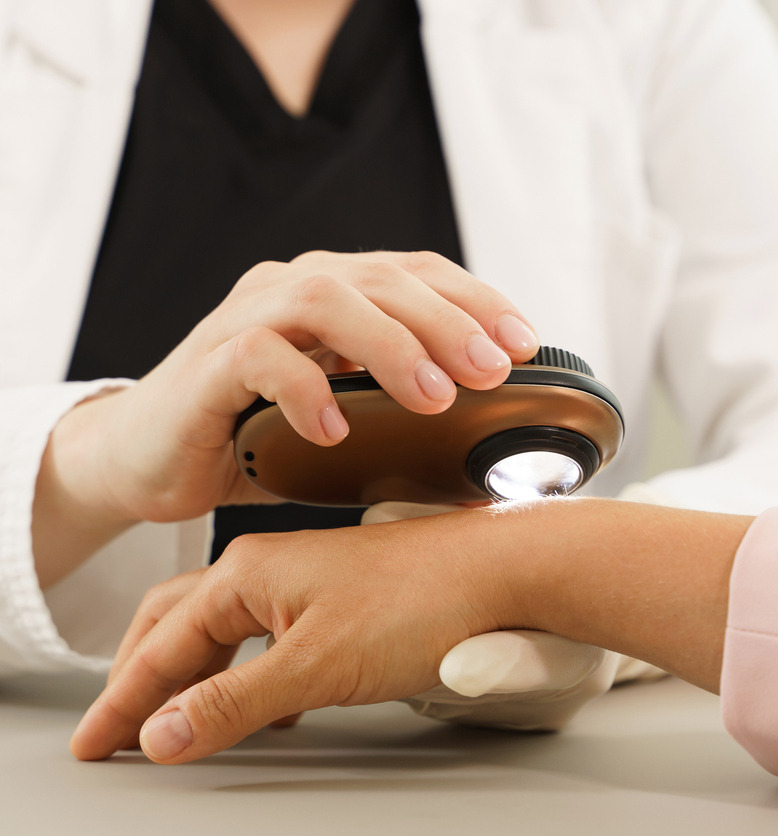
How Do You Treat Melanoma?
Early Detection Is Key: Know the ABCDEs
Some moles don’t look normal. Because of this, they may be signs of melanoma. To catch it early, remember the ABCDE rule:
A – Asymmetry: One side of the mole looks different from the other.
B – Border: Melanomas often have uneven or blurry edges.
C – Color: Watch out for more than one color in a mole, like brown, black, red, or blue.
D – Diameter: Most melanomas are bigger than 6mm, but some are smaller.
E – Evolving: If a spot changes over time, it could be melanoma.
So, if you see any of these signs, talk to a doctor as soon as possible.
Don’t Overlook Hidden Melanomas
Melanoma can grow in places you might not think to check. For instance, it can appear on the soles of your feet, your scalp, or even under your nails. This happens more often in people with darker skin. Therefore, it’s important to check your whole body, not just sun-exposed areas.
Types of Hidden Melanoma
Mucosal Melanoma:
Mucosal melanoma grows in moist areas inside the body, such as the mouth, nose, or urinary tract. These are hard to find and often look like other health problems.
Eye Melanoma:
Eye melanoma, also called ocular melanoma, can cause changes in vision. It grows in the middle layer of the eye and often shows up during an eye exam.
Acral-lentiginous Melanoma:
Acral-lentiginous melanoma grows under nails or on the palms or soles. It’s usually dark, flat, and oddly shaped. Although rare, it is more common in people with brown or Black skin.
Advanced Care for Every Type of Skin Cancer
Melanoma Treatment
Doctors typically begin by performing a biopsy of the affected tissue. If melanoma is confirmed, they often recommend surgical removal as the primary treatment. Additional therapies—such as radiation or medication—may follow, depending on your healthcare provider’s recommendations. Your overall health and personal preferences also play an important role in shaping the overall treatment plan.
When to Call a Doctor?
Skin changes can be scary, but they don’t always mean cancer. However, it’s always better to be safe. If you notice a spot that looks different or keeps changing, don’t wait – call us now.

Find a Specialist
Our board-certified dermatologists can help you improve your acne so you can feel confident in your skin. We will assess your skin needs and provide the most effective acne treatment. Learn more about our medical team at the New England Dermatology & Laser Center or call us at (413) 733-9600 to schedule an appointment at one of our MA offices.
