 Medical Dermatology
 Cosmetic Aesthetics






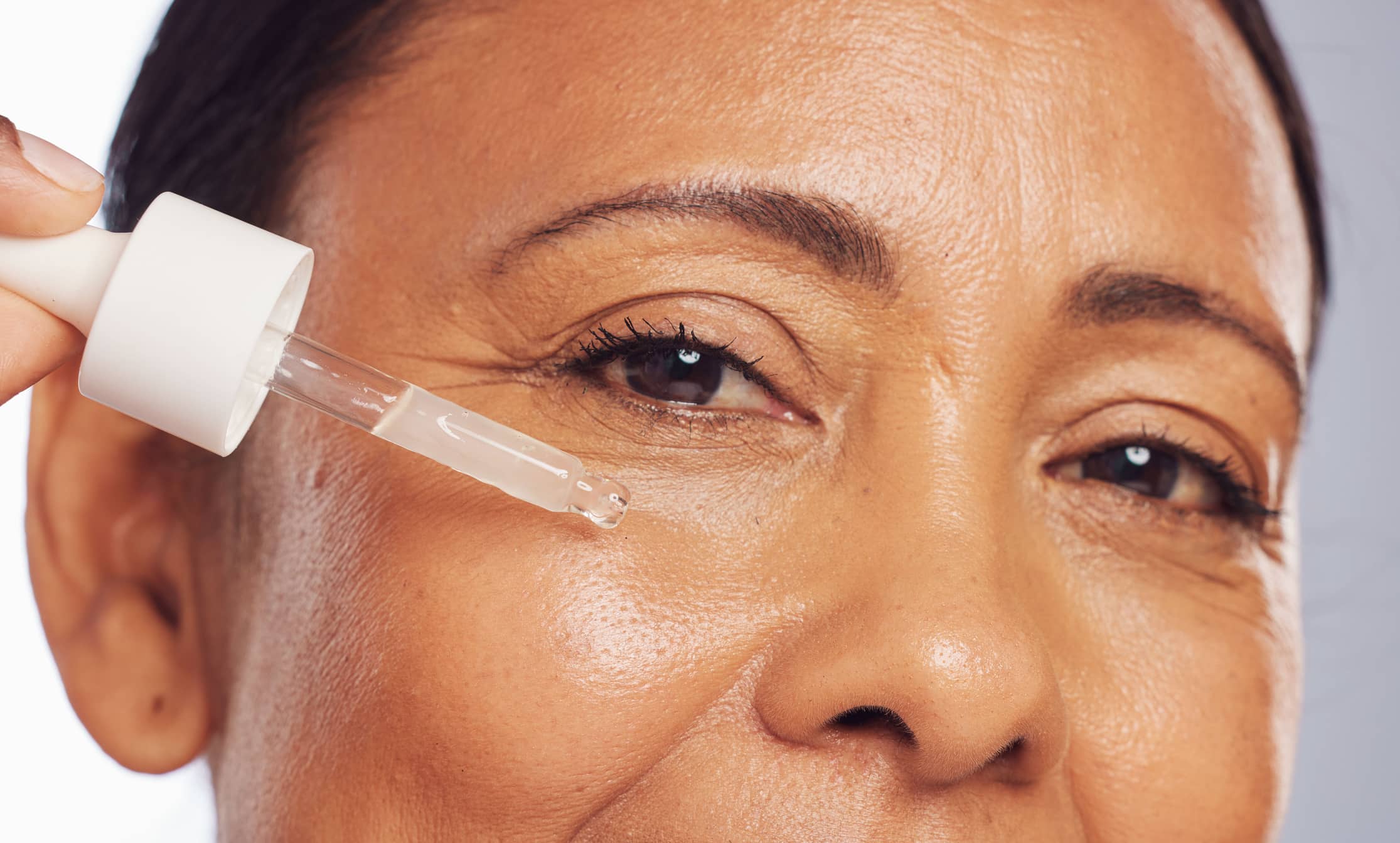
What Happens to Our Skin As We Age?
Our skin naturally changes throughout adulthood. Beginning in our 20s, collagen production gradually declines. Over time, this can contribute to thinner skin, reduced elasticity, fine lines, wrinkles, and changes in skin texture.
Aging skin also tends to produce less oil and retain less moisture, which can make dryness and irritation more common. Skin may become more fragile and take longer to heal as we get older.
While there is no way to stop the natural aging process, there are ways to protect your skin and reduce some of the damage that can lead to premature aging.
Supporting healthy skin requires a combination of good nutrition, consistent skin care, sun protection, and regular attention to changes in your skin.
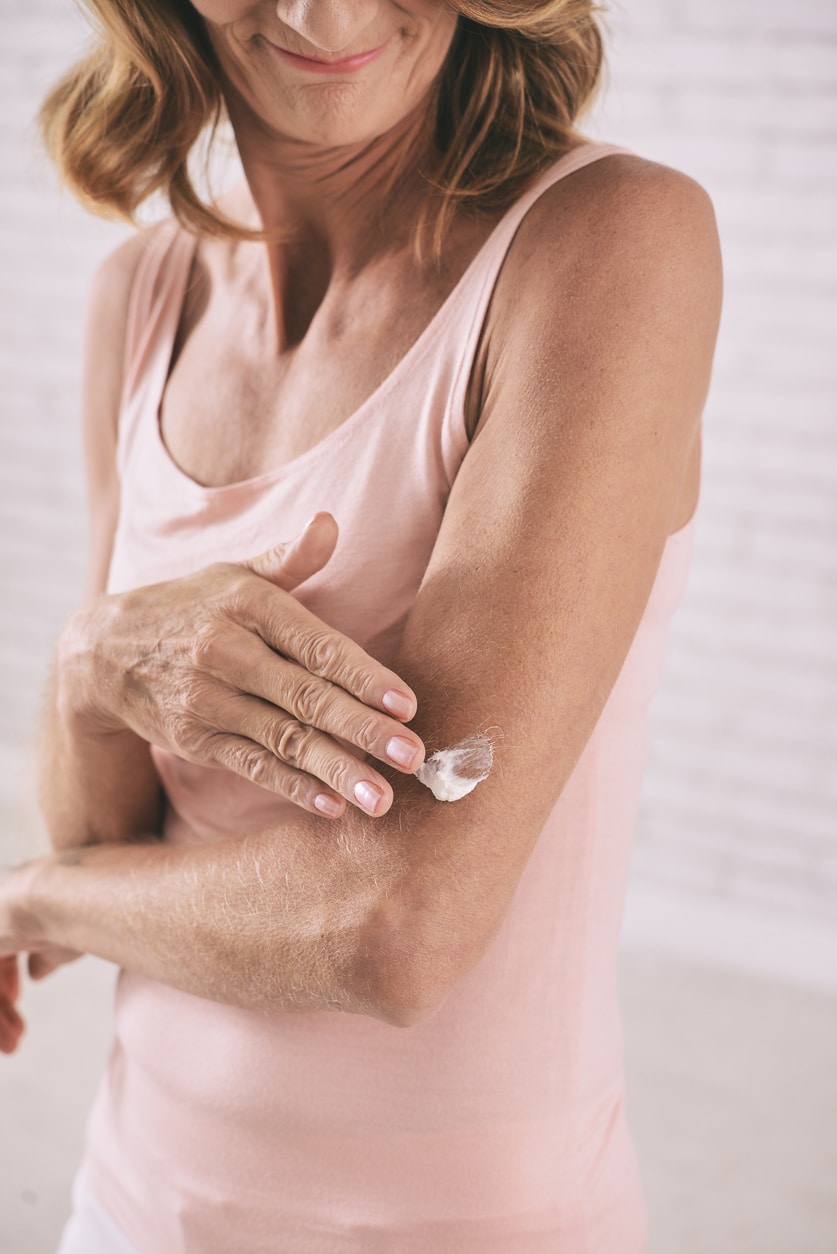
Healthy Aging Is About More Than Wrinkles
Taking care of aging skin is about much more than appearance.
As we age, certain skin conditions become increasingly common. A 2020 study published in the Journal of the American Geriatrics Society examined 552 adults ages 70 to 93 in Finland and found that nearly 80% had at least one skin disease that required treatment or follow-up.
Common concerns among older adults can include dry skin and eczema, fungal infections, rosacea, actinic keratoses, and other benign or potentially precancerous growths.
Seborrheic keratoses are another common change that can develop with age. These noncancerous skin growths are generally harmless, but because new or changing growths can sometimes resemble other skin conditions, it is important to have anything unusual evaluated by a dermatology provider.
Regularly paying attention to your skin can help you notice changes earlier and determine when something may need professional evaluation.
Make Sun Protection a Daily Habit
Protecting your skin from ultraviolet (UV) radiation is one of the most important things you can do for your skin at any age. Years of sun exposure can contribute to wrinkles, uneven pigmentation, changes in skin texture, actinic keratoses, and skin cancer.
Use Broad-Spectrum Sunscreen
Apply a broad-spectrum sunscreen to exposed skin every day, including on cloudy days and during the colder months.
Reapply Throughout the Day
Reapply sunscreen as directed, especially after swimming, sweating, or spending extended time outdoors.
Seek Shade When Possible
Limit prolonged direct sun exposure, particularly during the hours when UV rays are strongest.
Wear Protective Clothing
Hats, sunglasses, long sleeves, and other protective clothing can provide an additional layer of defense against UV exposure.
Avoid Indoor Tanning
Tanning beds expose your skin to harmful UV radiation and can increase your risk of premature skin aging and skin cancer.
Protect Your Skin Year-Round
UV exposure does not disappear when summer ends. Making sun protection part of your daily routine can help reduce additional sun damage over time.
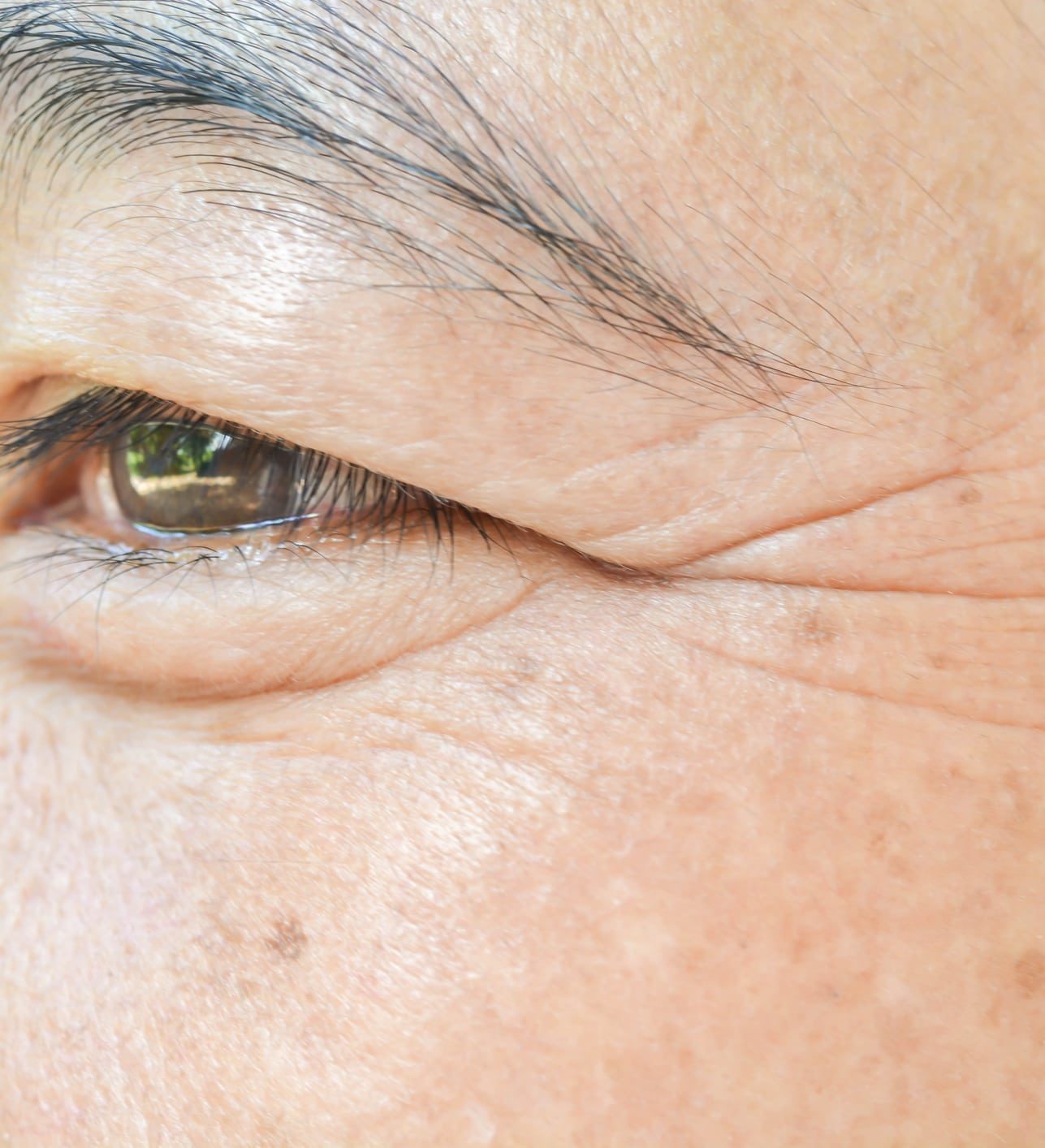
Give Aging Skin the Care It Needs
The skin care routine that worked for you years ago may not be what your skin needs today.
Because aging skin tends to become drier and more sensitive, a gentle routine can help maintain the skin barrier and reduce irritation. Avoid excessively hot showers and harsh products that leave your skin feeling tight or dry. Apply moisturizer regularly to help your skin retain moisture.
Your individual needs may also change depending on medications, medical conditions, sun damage, and existing skin concerns. A dermatology provider can help you determine which products and treatments make sense for your skin.
Healthy eating habits also support overall health, including the health of your skin. Rather than relying on one product or ingredient to prevent aging, focus on consistent habits that support your health as a whole.
Pay Attention to Changes in Your Skin
One of the most important healthy aging habits is knowing what is normal for your skin. While many changes are harmless, new or unusual spots should not be ignored.
New or Changing Moles
Pay attention to moles that are new or begin changing in size, shape, color, or appearance.
Spots or Growths That Look Different
Take note of new bumps, patches, growths, or areas that look noticeably different from the skin around them.
Areas That Bleed or Do Not Heal
A sore, spot, or growth that repeatedly bleeds, crusts, or does not heal should be evaluated.
Persistent Itching or Pain
Changes that continue to itch, hurt, or feel tender may be worth discussing with a dermatology provider.
Changes That Continue Over Time
Not every skin change is a cause for concern, but anything that persists, changes, or seems unusual should be checked rather than ignored.