 Medical Dermatology
 Cosmetic Aesthetics






Who Is Most At Risk?
Eczema affects more than 30 million people in the U.S. alone. According to the National Eczema Association, eczema is more common in children, affecting approximately 10–20% of children versus 2–10% of adults worldwide.
People with a family history of eczema, asthma, or allergies are more susceptible to developing atopic dermatitis, the most common type of eczema. This is because genetics can affect the skin’s protective barrier and how the immune system responds to environmental triggers.
While there is no guaranteed way to prevent eczema, there are steps you can take to manage symptoms and reduce flare-ups.
Treatment Options
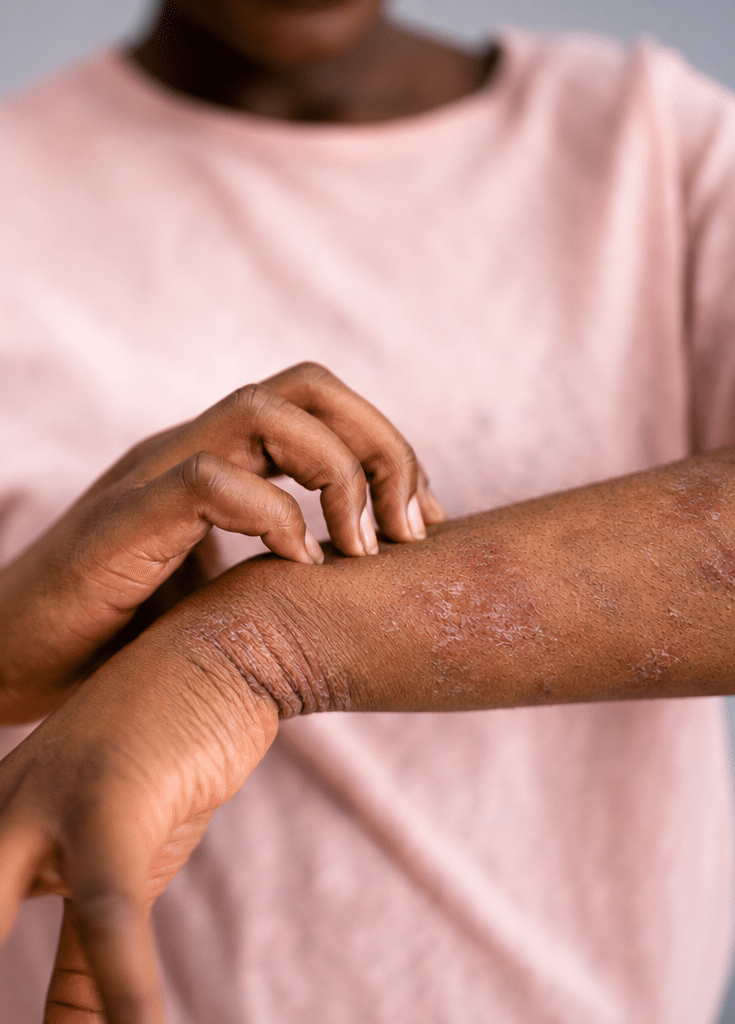
Eczema can be uncomfortable, with many patients experiencing persistent itching, burning, and irritation. While there is no cure, symptoms can be managed with a combination of treatments and proper skincare. Your dermatologist will evaluate your condition and recommend the most effective treatment to relieve symptoms, reduce inflammation, and prevent recurring flare-ups.
Here are some common treatment options.
Topical Medications
Prescription creams and ointments, including topical corticosteroids, can help reduce inflammation and relieve itching.
Phototherapy
Controlled exposure to ultraviolet (UV) light can help reduce inflammation and improve symptoms in patients with moderate to severe eczema.
Systemic Medications
For more severe cases, oral or injectable medications may be prescribed to control inflammation and regulate the immune response.
Preventing Flare-Ups
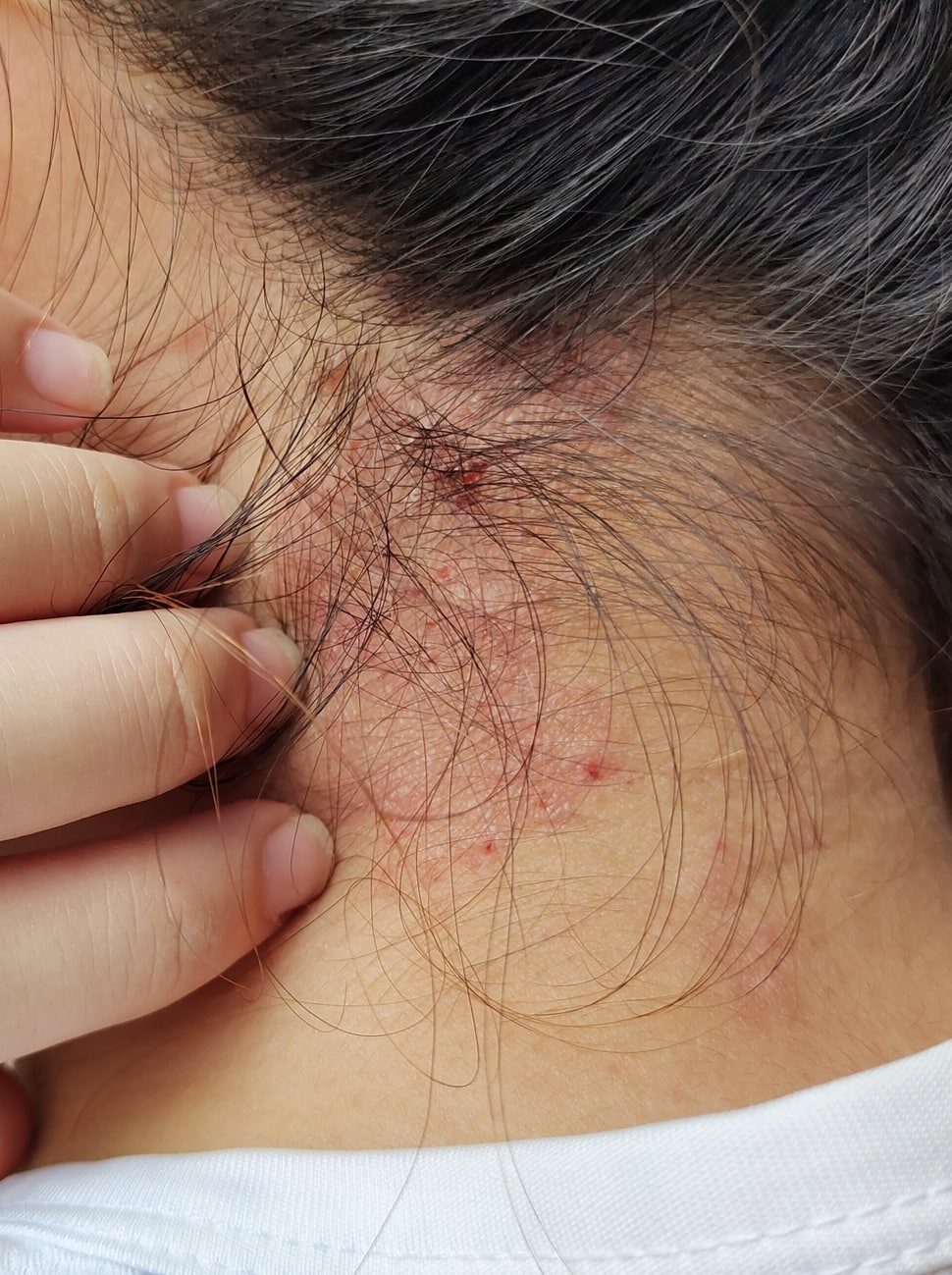
Flare-ups can also be managed by identifying and avoiding personal triggers. These will vary from person to person, but common triggers include:
- Harsh soaps, detergents, and fragranced skincare products
- Environmental allergens, such as pollen, dust mites, and pet dander
- Cold, dry weather or sudden temperature changes
- Excessive sweating and overheating
- Stress
- Irritating fabrics, such as wool
It’s also important to maintain a consistent skincare routine and keep the skin properly moisturized. Using fragrance-free products, avoiding excessively hot showers, and applying a gentle moisturizer daily can help protect the skin’s natural barrier and reduce irritation.
Caring For Children With Eczema
If your child has eczema, it’s important to help them understand their condition and feel comfortable communicating when they’re experiencing symptoms. Younger children may have difficulty explaining their discomfort, so pay attention to changes in their skin, sleep patterns, or scratching habits.
During the school year, eczema can present additional challenges, particularly when symptoms interfere with concentration, physical activities, or sleep. Parents should communicate with teachers and school nurses about their child’s condition, potential triggers, and any medications or treatments they may need throughout the day.
It’s also important to check in with your child regularly, as visible eczema can sometimes affect their self-confidence. Encourage them to speak openly about their symptoms and work with their dermatologist to develop a treatment plan that accommodates their daily routine.

How Adults Develop Eczema
Adults who never experienced eczema during childhood can still develop symptoms later in life. While less common than childhood-onset eczema, adult-onset eczema can occur at any age.
The exact cause isn’t always clear, but several factors may contribute, including changes in the skin’s protective barrier, immune system responses, genetics, and environmental exposures. Adults may also develop contact dermatitis from repeated exposure to irritants or allergens, such as cleaning products, fragrances, or certain metals.
Schedule a Consultation
At New England Dermatology & Laser Center, we have over 50 years of experience treating a wide range of skin conditions, including eczema. If you’re experiencing new or worsening symptoms, contact us today to schedule an appointment with one of our providers. We’ll evaluate your skin and develop a personalized treatment plan to help manage your symptoms and reduce flare-ups.