


Acne for teens and adults is one of the most common dermatological concerns. While acne most often begins during early adolescence (ages 11–14), it can appear earlier in childhood or persist into adulthood. Genetics, hormones, lifestyle, and even skincare habits all contribute to acne development, which means the right acne treatment plan can vary by individual.
Understanding how acne forms and what triggers it is the first step towards effective acne treatment for teens and adults. Below, we outline the causes, best at-home routines, ingredients to look for, and when to seek medical care.
What Causes Acne?
While acne treatment begins with understanding its source, many assume acne results from poor hygiene—which is not true. Acne is caused by a combination of:
- Hormonal changes during puberty or menstrual cycles
- Genetics, as acne often runs in families
- Excess oil production, particularly in the face, chest, and back
- Clogged pores from dead skin cells or oil
- Bacteria on the skin called P. acnes
- Stress, which can trigger hormone fluctuations
- Diet, especially high-glycemic or dairy-rich foods in some individuals
Hormonal fluctuations—especially androgens—are a major factor in acne treatment, with women sometimes noticing breakouts before menstruation or during hormonal birth control changes.
Where Does Acne Appear?
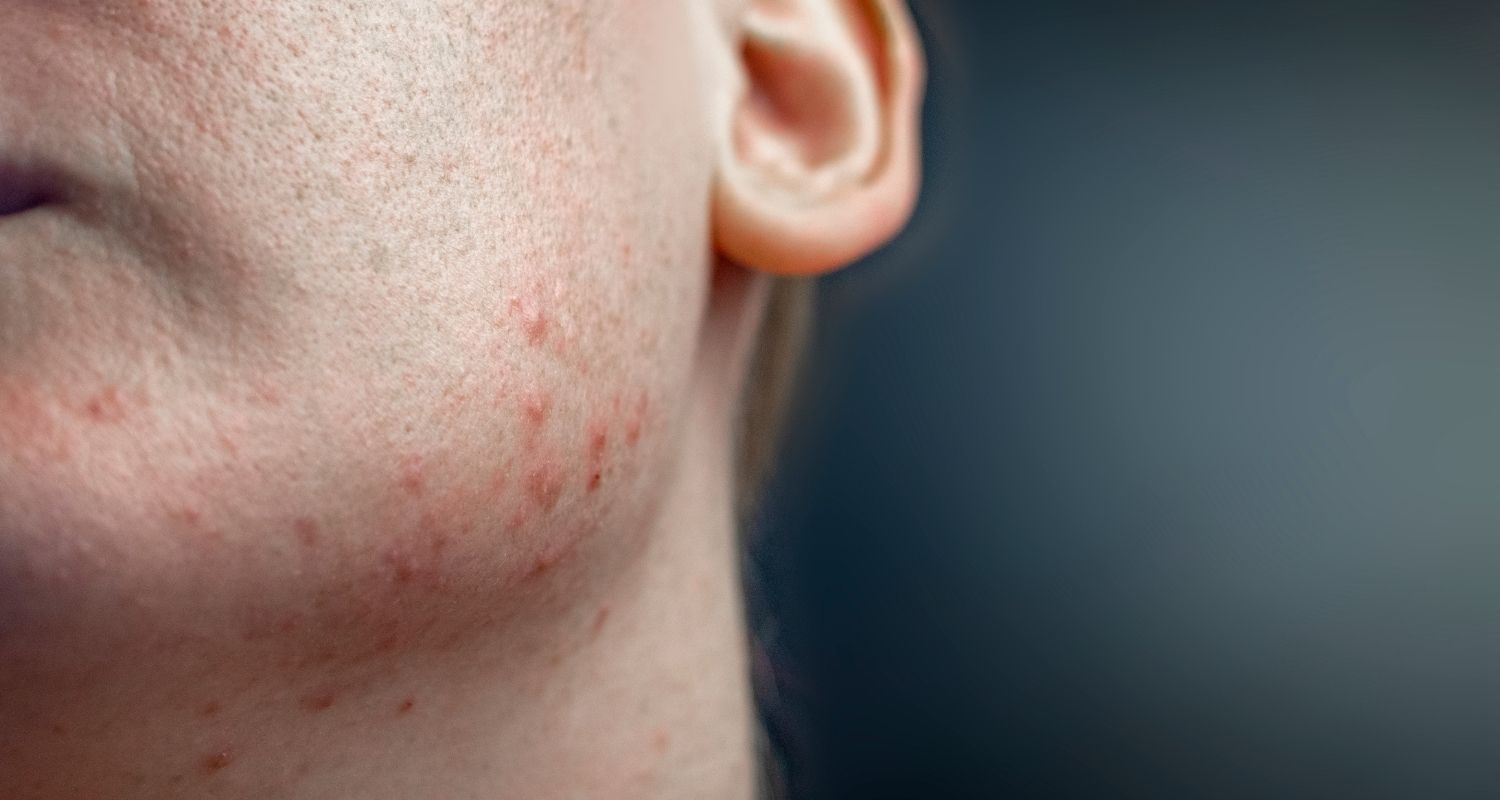
Most acne appears in the T-zone (forehead, nose, cheeks, chin), along with the mid-back and chest. These areas contain high concentrations of sebaceous (oil) glands.
Acne can present in different forms:
- Blackheads: Open comedones; dark due to oxidation, not dirt
- Whiteheads: Closed comedones trapped under the skin
- Papules: Small red bumps
- Pustules: Bumps with pus-filled centers
- Nodules & Cysts: Deep, painful bumps that can cause scarring
To prevent permanent damage, early and consistent acne treatment is critical.
Best Cleansing Practices for Acne-Prone Skin
A foundational part of acne treatment for teens and adults is gentle, regular cleansing. Overwashing or scrubbing can worsen irritation.
Tips for Cleansing:
- Wash twice daily using lukewarm water and your hands or a soft cloth.
- Choose a gentle, non-comedogenic cleanser.
- Avoid abrasive scrubs or exfoliating tools.
Recommended Ingredients:
- Salicylic Acid: Exfoliates the skin and helps unclog pores.
- Benzoyl Peroxide: Reduces surface bacteria and inflammation.
Choose the lowest strength (2.5%) of benzoyl peroxide when starting out to avoid unnecessary irritation.
These steps form the foundation of an effective acne treatment for teens and adults with mild to moderate breakouts.
Over-the-Counter (OTC) Acne Treatments
There are numerous topical options for acne treatment for teens and adults. The texture (cream, gel, lotion) matters based on your skin sensitivity—gels tend to be more drying, while creams are gentler.
Key OTC Ingredients:
- Salicylic Acid: Prevents pore blockage.
- Benzoyl Peroxide: Fights bacteria and unclogs pores.
- Adapalene (Differin): A retinoid that promotes cell turnover; stronger versions are available by prescription.
- Retinol: A milder form of vitamin A with exfoliating benefits.
- Glycolic Acid: Smooths skin and helps fade post-acne marks.
These ingredients are essential components of non-prescription acne treatment for teens and adults.
How to Apply Topical Acne Treatment Products
Consistency and gradual application are key in any acne treatment for teens and adults:
- Start Slowly: Use one product initially, applying every other night to a small area.
- Build Tolerance: Gradually increase the frequency and surface area.
- Moisturize: Use non-comedogenic moisturizers to prevent dryness.
- Monitor Reactions: If irritation occurs, reduce application or switch to a gentler formula.
- Be Patient: Improvement typically takes 6–12 weeks.
Benzoyl peroxide can bleach fabrics—avoid contact with towels and pillowcases.
Once your skin tolerates one product, you may introduce a second in the morning for added benefit. This routine supports both prevention and treatment in acne treatment.
When to Seek Professional Help
If OTC products don’t improve your skin after 2–3 months or if you have deep, painful nodules or cysts, it’s time to consult your dermatologist. Prescription medications—topical or oral—can help resolve severe or scarring acne. We are here to help at New England Dermatology and Laser Center.
Prescription Options May Include:
- Topical or oral retinoids
- Oral antibiotics
- Hormonal therapies (e.g., birth control)
- Isotretinoin for severe cases
These options are an important part of comprehensive acne treatment with moderate to severe acne.
Lifestyle Tips to Support Clear Skin
Support your skin with healthy daily habits:
- Get at least 7–8 hours of sleep per night.
- Stay hydrated and eat a balanced, low-glycemic diet.
- Avoid touching or picking your face.
- Use sunscreen daily—preferably oil-free and non-comedogenic.
- Reduce stress through regular exercise, mindfulness, or breathing techniques.
Final Thoughts on Acne Treatment for Teens and Adults
Acne can feel overwhelming, but with early action, the right products, and lifestyle changes, it is manageable. Whether you’re 14 or 40, finding a consistent acne treatment for teens and adults tailored to your needs can significantly improve your skin—and your confidence.
If over-the-counter options aren’t enough, don’t hesitate to contact us. Professional guidance ensures you’re not only treating breakouts effectively but also protecting your skin from future damage and scarring. Feel free to contact us today to schedule your consultation at 413-733-9600.