 Medical Dermatology
 Cosmetic Aesthetics






What Is UV Light?
July is UV Awareness Month! Take a little extra time this month to learn how ultraviolet radiation affects the skin and what you can do to reduce your exposure.
Ultraviolet light, commonly called UV light, is an invisible form of radiation. The sun is the primary natural source of UV radiation, but artificial sources such as tanning beds and sunlamps also produce UV rays.
UV radiation has two main forms:
UVA rays penetrate more deeply into the skin and contribute to premature aging, including wrinkles, discoloration, and loss of elasticity. UVA rays can also contribute to skin cancer and may pass through windows.
UVB rays primarily affect the skin’s outer layers. They are the main cause of sunburn and play a significant role in the development of skin cancer.
Both UVA and UVB exposure can cause long-term skin damage and increase the risk of skin cancer.

How Does UV Light Affect Our Skin?
When UV radiation reaches the skin, it can damage the DNA within skin cells. The body can repair some of this damage, but repeated or intense exposure may overwhelm its natural repair processes.
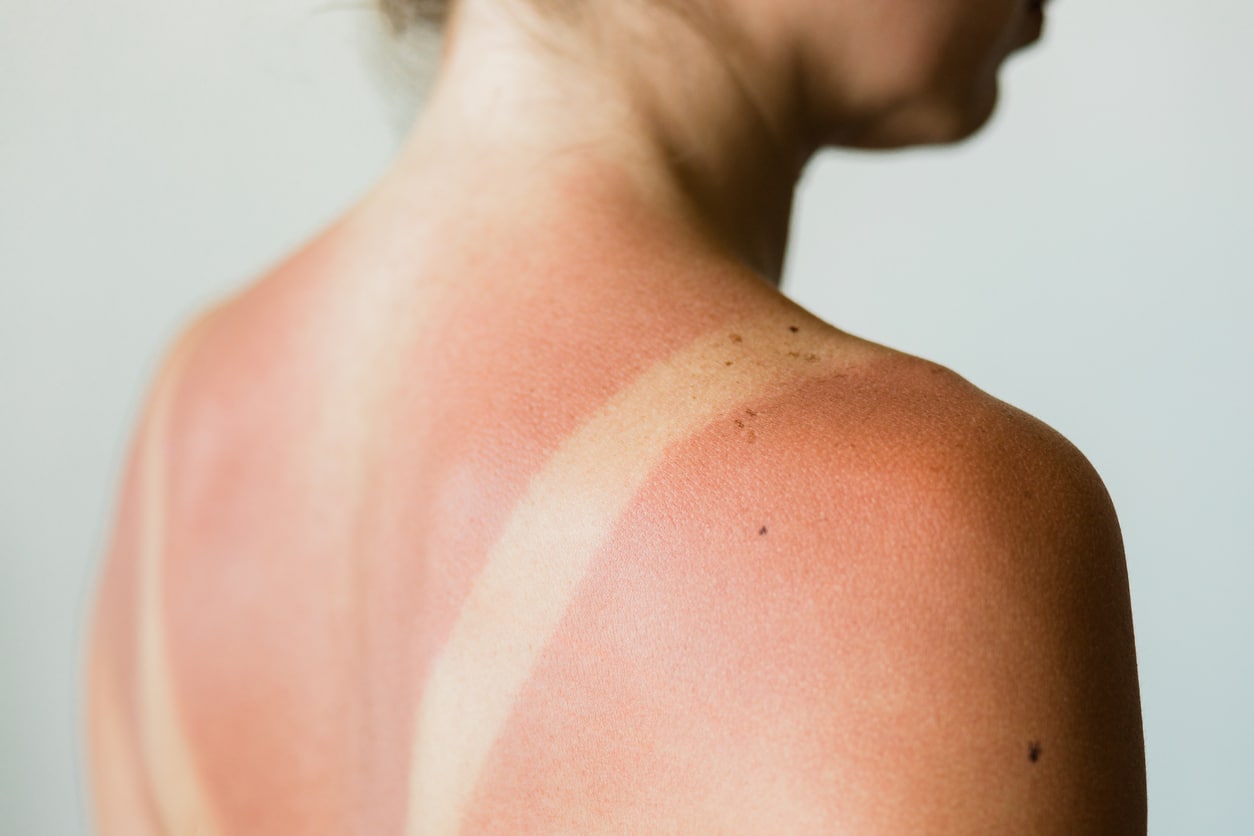
Some effects appear quickly, such as redness, tenderness, and sunburn. Others develop gradually after years of cumulative exposure. These may include fine lines, wrinkles, uneven pigmentation, rough texture, loss of firmness, and precancerous or cancerous growths.
A tan is also a sign of skin injury. Skin darkens because the body produces additional pigment in an attempt to protect itself from further UV damage. There is no such thing as a completely safe UV tan, whether it comes from the sun or an indoor tanning device.
What Are the Signs of UV Damage?
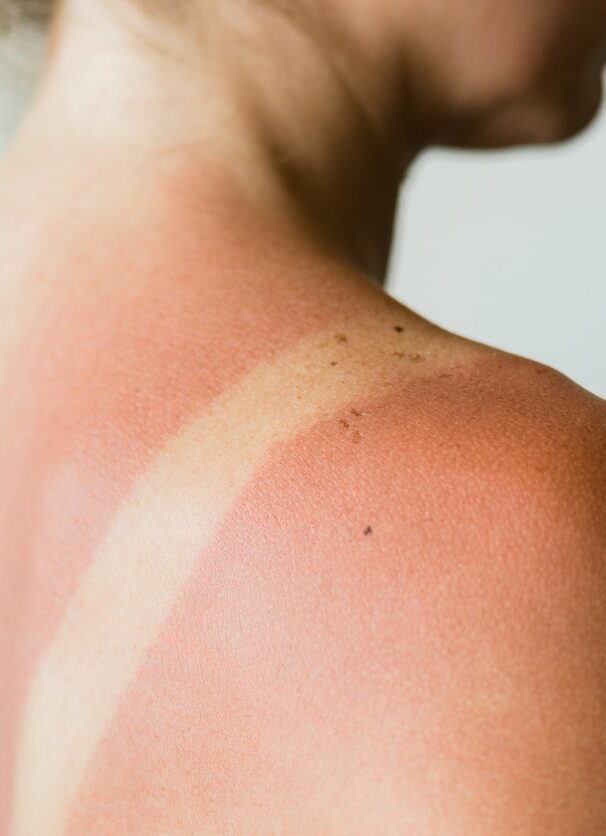
UV damage does not always look the same. Some signs may be temporary, while others can indicate lasting changes within the skin.
Common signs include:
- Red, warm, tender, or peeling skin after sun exposure
- Freckles or areas of uneven pigmentation
- Dark spots, sometimes called sunspots or age spots
- Dry, rough, or leathery skin
- Fine lines and wrinkles
- Broken or more visible blood vessels
- Rough or scaly patches that do not go away
- A new growth or sore that does not heal
- Changes in the size, shape, border, or color of a mole
Not every spot or skin change is cancerous. However, new, changing, bleeding, painful, or nonhealing areas should be evaluated by a qualified medical professional.
Common Misconceptions About UV Exposure

"You Only Need Sunscreen on Sunny Days"
In New England, it is common to go days or even longer without seeing much direct sunlight. As a result, many patients skip sunscreen when it is cold, rainy, or overcast.
Clouds and cooler temperatures do not eliminate UV exposure. UV rays can still reach your skin on cloudy days, and reflective surfaces such as snow, water, sand, and pavement can increase exposure. Sun protection should therefore be based on UV exposure, not how warm or sunny it feels outside.
"One Sunburn Does Not Matter"
A single sunburn may fade within several days, but the cellular damage caused by UV radiation does not simply disappear. Sunburns contribute to cumulative skin damage and can increase the risk of developing skin cancer.
Repeated burns are especially concerning, but every burn is preventable damage. Even people who rarely burn can still experience harmful UV exposure over time.
"People With Darker Skin Do Not Need SPF"
Melanin provides some natural protection, but it does not make anyone immune to UV damage. People of every skin tone can experience sunburn, premature aging, uneven pigmentation, and skin cancer.
Skin cancer may also be recognized later in people with darker skin tones, which can delay treatment. Everyone should use appropriate sun protection and monitor their skin for unusual changes.
"A High SPF Means You Do Not Have to Reapply"
A higher SPF does not provide all-day protection. Sunscreen can wear away through sweating, swimming, towel drying, and normal activity.
Regardless of SPF, sunscreen should generally be reapplied at least every two hours while outdoors and more frequently after swimming or heavy sweating. Always follow the instructions on the product label.
"Sunscreen Alone Provides Complete Protection"
Sunscreen is an important part of UV protection, but it should not be your only defense. No sunscreen blocks 100 percent of UV radiation.
The most effective approach combines sunscreen with shade, protective clothing, a wide-brimmed hat, and UV-blocking sunglasses.
UV-Safe Skin Habits to Start Today
There is no better time than today to begin incorporating UV protection into your daily routine. Here are four practical ways to reduce UV exposure.
1. Apply Broad-Spectrum Sunscreen Every Day
Choose a broad-spectrum sunscreen that protects against both UVA and UVB rays. An SPF of 30 or higher is a practical choice for exposed skin, particularly when you expect to spend time outdoors.
Apply it before going outside and cover frequently missed areas such as the ears, neck, hands, feet, hairline, lips, and exposed scalp. Reapply at least every two hours and after swimming or sweating.
2. Use Clothing as an Additional Barrier
Wear lightweight, long-sleeved clothing when practical. A wide-brimmed hat can help protect the
face, ears, neck, and scalp, while UV-blocking sunglasses help protect the eyes and surrounding skin.
Clothing labeled with an ultraviolet protection factor, or UPF, provides a measurable level of UV protection.
3. Seek Shade During Peak UV Hours
UV radiation is often strongest during the middle of the day. Plan outdoor activities for earlier in the morning or later in the afternoon when possible.
When you are outside, use trees, covered patios, umbrellas, tents, or other shaded areas. Remember that shade reduces exposure but may not eliminate it, particularly near reflective surfaces.
4. Check Your Skin Regularly
Become familiar with the normal appearance of your skin, including your moles, freckles, and other spots. Periodic self-checks can make it easier to notice changes.
Pay attention to new growths, especially if they are changing, asymmetrical, irregularly bordered, unusually colored, bleeding, itchy, painful, or slow to heal. If something seems off, seek evaluation from a qualified medical professional.