 Medical Dermatology
 Cosmetic Aesthetics




What Causes Acne?
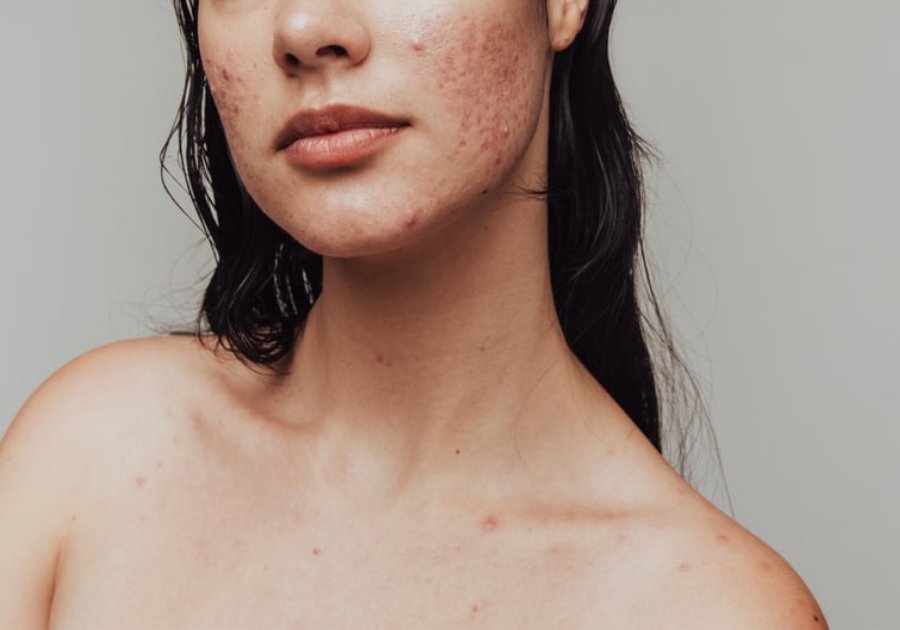
Acne is one of the most common skin conditions in the world, affecting approximately 85% of adolescents and millions of adults. While acne is often a normal part of growing up, that doesn’t mean you have to live with it.
Many cases of acne can be effectively managed with the right treatment plan. So, how do you know when it’s time to seek professional care? We recommend scheduling an appointment with a dermatologist if your acne is:
- Persistent despite over-the-counter products
- Painful, cystic, or inflamed
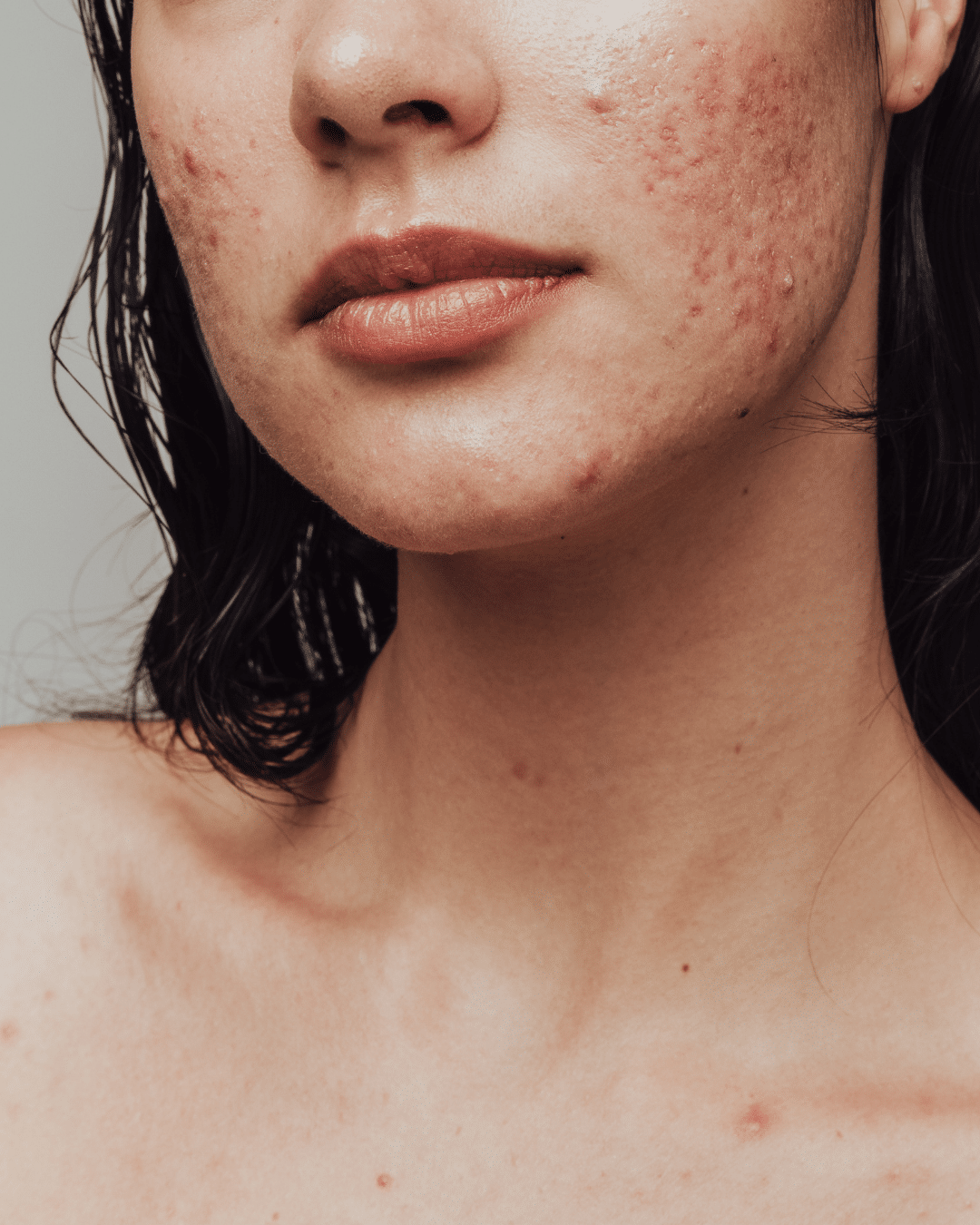
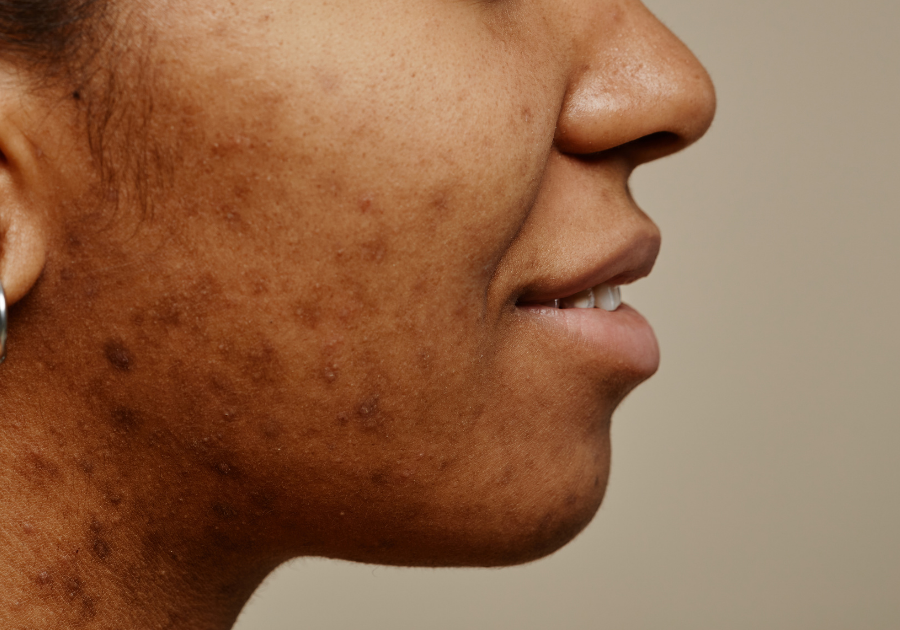
- Causing scarring or dark spots
- Affecting your confidence or quality of life
- Continuing into adulthood or frequently returning
Topical Treatments: The First Line of Defense
Before diving into oral medications, dermatologists will generally recommend topical treatments first. This gives your skin the chance to improve with targeted, lower-risk treatments applied directly to the affected areas.
Benzoyl Peroxide
Benzoyl peroxide is an over-the-counter acne treatment that helps kill acne-causing bacteria and keep pores clear. Research supports it for reducing both inflamed pimples and clogged pores. It can cause dryness or irritation, and it may bleach fabrics.
Topical Retinoids
Topical retinoids help increase skin cell turnover, preventing dead skin cells from clogging pores and forming new breakouts. They also reduce inflammation and can improve overall skin texture over time.
Topical Antibiotics
Topical antibiotics help reduce acne-causing bacteria and inflammation, making them most effective for red, inflamed breakouts. Research supports their use as an effective acne treatment. To help prevent antibiotic resistance, they are typically used alongside benzoyl peroxide rather than on their own.
Salicylic Acid
Salicylic acid is a beta-hydroxy acid and exfoliant, helping it penetrate clogged pores and dissolve oil and dead skin buildup. This helps with the non-abrasive extraction and management of whiteheads, blackheads, and mild acne breakouts.
Azelaic Acid
Azelaic acid helps reduce acne-causing bacteria and calm inflammation. This can be especially helpful for patients with hyperpigmentation, as azelaic acid may also help fade dark spots left behind after breakouts. In one clinical study cited by the American Academy of Dermatology, patients using azelaic acid 20% cream were more likely to achieve a 50% to 100% reduction in acne lesions after three months compared to those using a non-medicated cream
When Oral Medications Are Needed
If your skin is not responding to a topical treatment plan, your dermatologist may recommend oral medications. These treatments can help manage moderate to severe acne by reducing inflammation, controlling acne-causing bacteria, and, in some cases, regulating the hormones that contribute to breakouts. The right option will depend on the severity and underlying cause of your acne.
Oral Antibiotics
Oral antibiotics are recommended for moderate-to-severe inflammatory acne. Cephalosporins and tetracyclines are often first-line antibiotics. Side effects of tetracyclines can include stomach upset or sun sensitivity, so we always recommend working closely with your dermatologist to find the right antibiotic for your skin and lifestyle.
Hormonal Treatments
Acne, especially in women, can sometimes be driven by hormone imbalances, such as an excess of androgens, which stimulate oil production and worsen breakouts. To help regulate these hormones, birth control pills are often prescribed, as they can balance hormone levels. Another option is spironolactone, which blocks the effects of androgens, helping reduce oil production and breakouts.
Better Together: Why Combination Therapy Often Works Best
They say teamwork makes the dream work, and this rings true for many acne treatment plans. This means a thoughtful combination of topical and oral treatments so you can:
- Tackle acne through multiple pathways.
- Achieve better results by combining strengths.
- Use a strategy that helps prevent antibiotic resistance.
Isotretinoin for Severe Acne
Who Is a Candidate?
Not everyone is a candidate for isotretinoin, commonly known as Accutane®. This powerful medication is typically reserved for patients with severe acne that has not responded to other prescription medications or topical treatments.
Severe acne often includes large, painful cysts or nodules, widespread inflammation, and acne that is causing permanent scarring, such as ice pick, boxcar, or rolling scars. Isotretinoin may also be recommended for patients whose acne has a significant impact on their confidence or quality of life.
Important Considerations
Because isotretinoin is regulated by iPLEDGE, patients need to be aware of a few things:
- Treatment typically lasts 4 to 6 months.
- Regular blood tests are required to monitor liver function and cholesterol.
- It often causes dry skin, lips, and eyes.
- Strict pregnancy prevention is essential due to the risk of severe birth defects.
- Some patients may experience mood changes, so it’s important to communicate any concerns with your dermatologist.